Routine dental cleaning and deep cleaning are two essential procedures for maintaining good oral health, but they serve different purposes. Routine dental cleaning is a preventive measure to remove plaque and tartar buildup on the teeth while deep cleaning is a more intensive procedure aimed at treating gum disease. Regular visits for routine cleanings can help prevent the need for deep cleanings in the future by keeping your teeth and gums healthy.
It’s important to consult a dentist to assess which type of cleaning is suitable for your specific needs. Here we will discuss what the difference is between the two and what to expect during each visit.
Routine Dental Cleaning: What to Expect and Benefits
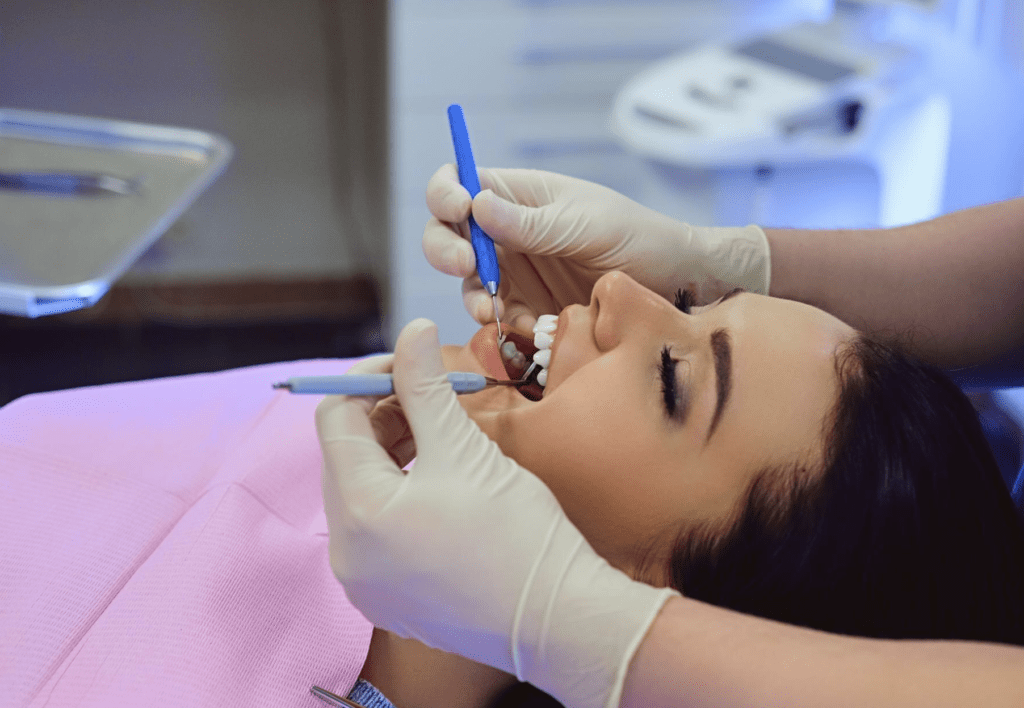
During a professional dental cleaning session, a dental hygienist will thoroughly clean your teeth, removing plaque and tartar buildup that can lead to gum disease and tooth decay.
The process typically involves scaling to remove plaque and tartar from the surface of the teeth, followed by polishing to remove stains and smooth the tooth surfaces. This not only helps in keeping your teeth clean and healthy but also prevents bad breath.
Regular dental cleanings are important for preventing oral health issues and maintaining a bright smile. Dentists recommend scheduling routine cleanings every six months to keep your teeth and gums in optimal condition. So, don’t skip out on your next dental cleaning appointment – your smile will thank you!
Deep Cleaning (Scaling and Root Planing): When is it Necessary?
Deep cleaning, also known as scaling and root planing, is a dental procedure that goes beyond a regular cleaning. It is typically recommended when there is evidence of gum disease or periodontal issues.
Scaling involves removing plaque and tartar from the surfaces of the teeth and roots, while root planing smoothens out the roots to help prevent bacteria from reattaching. This thorough cleaning process helps in treating gum disease by removing harmful bacteria and promoting gum healing.
Your dentist may recommend deep cleaning if you have signs of gum disease such as:
- Red, swollen gums
- Bleeding while brushing or flossing
- Pockets forming between your teeth and gums
It is crucial to address these issues promptly to prevent further damage to your oral health.
Regular dental check-ups can help catch any early signs of gum disease before it progresses to a point where deep cleaning becomes necessary. If you suspect you may need deep cleaning or have concerns about your gum health, consult with your dentist for personalized advice and treatment options.
When Do You Need a Deep Dental Cleaning?
Not every patient requires deep cleaning, but certain signs indicate it may be necessary. If left untreated, gum issues can progress into more serious dental problems.
Common signs include:
- Bleeding gums during brushing or flossing
- Persistent bad breath
- Gum recession or sensitivity
- Loose teeth or discomfort while chewing
If you notice these symptoms, visiting a dentist for evaluation is important to prevent further complications.
Cost Difference Between Routine Cleaning and Deep Cleaning
The cost of dental cleaning varies depending on the type of treatment required. Routine cleaning is generally more affordable and often covered by insurance as part of preventive care.
Deep cleaning may involve higher costs since it is a more advanced procedure targeting gum disease. However, early treatment can help avoid more expensive procedures in the future, making it a valuable investment in long-term oral health.
Is Deep Cleaning Painful? What to Expect
Many patients are concerned about discomfort during deep cleaning. While the procedure is more intensive than routine cleaning, dentists typically use local anesthesia to ensure comfort.
After the treatment, you may experience mild sensitivity or soreness, which usually subsides within a few days. Following post-treatment care instructions can help speed up recovery and maintain healthy gums.
Conclusion
Regular dental cleanings are crucial for maintaining a healthy smile and preventing oral health issues. While routine cleanings focus on the surfaces of the teeth above the gum line, deep cleanings target areas below the gum line to address gum disease and prevent its progression.
Preventive dental care, including regular check-ups and cleanings, plays a vital role in oral hygiene. These visits not only keep your teeth and gums healthy but also enable your dentist to identify any potential issues early on before they become more serious problems. Remember, maintaining a healthy smile starts with proper dental cleanings!
Contact Dental Made Easy to schedule your dental cleaning appointment today. We have 4 locations in NYC and on Long Island, find the one closest to you!