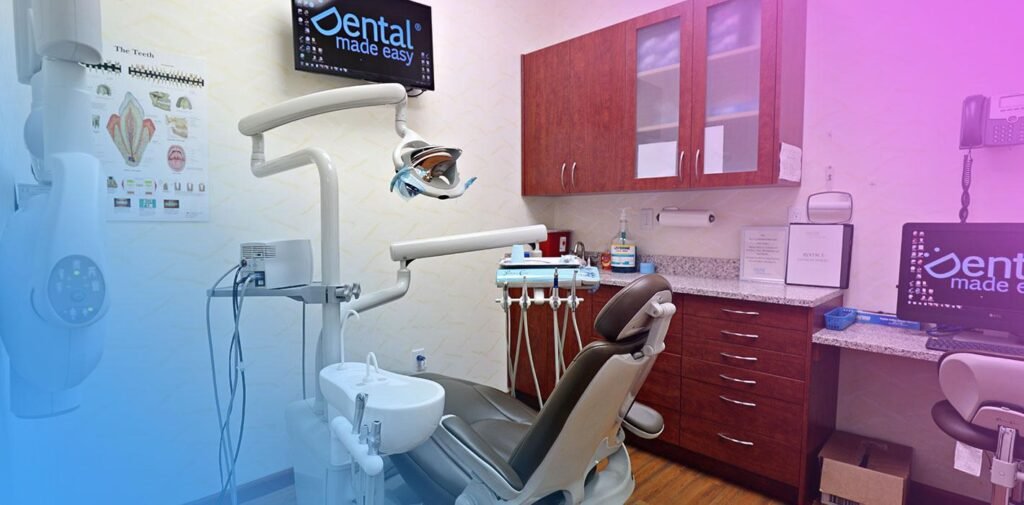
We have locations in Little Caribbean, Astoria, Forest Hills and Garden city Park.
Why Wisdom Teeth Often Need to Be Removed ?
Wisdom teeth were once useful for chewing coarser foods, but modern jaws often don’t have enough space to accommodate them properly. When wisdom teeth don’t have room to grow, they can cause a range of serious dental problems — many of which develop silently before pain begins.
There are two primary situations that typically lead to wisdom teeth extraction:
Impacted Wisdom Teeth
An impacted wisdom tooth is one that is trapped fully or partially beneath the gum line, unable to erupt normally due to limited jaw space. Impacted teeth may grow at an angle toward adjacent teeth, horizontally beneath the bone, or simply remain buried. Left untreated, they can cause jaw pressure, cyst formation, bone loss, and infection. Early extraction by a skilled wisdom teeth dentist prevents these complications from progressing.
Partially or Fully Erupted Wisdom Teeth
Some wisdom teeth break through the gum but don’t align correctly with the bite. Even when visible, these teeth are often difficult to clean properly. The gap between the tooth and gum tissue becomes a trap for bacteria, increasing the risk of decay, gum disease, and persistent infection. In many of these cases, wisdom teeth removal is recommended to protect the health of surrounding teeth.
Routine dental checkups with X-rays allow your dentist to monitor wisdom tooth development and recommend extraction before complications arise. Early intervention consistently leads to simpler procedures and faster recovery.
Signs You May Need Wisdom Tooth Extraction

Wisdom Teeth Extraction Process: Step-by-Step Guide
Understanding what happens before, during, and after your wisdom tooth extraction helps reduce anxiety and ensures you arrive fully prepared. Here is exactly what to expect at Dental Made Easy:
Step 1 — Initial Evaluation & Imaging
Your appointment begins with a thorough examination and digital X-rays or 3D cone beam imaging to assess the exact position of your wisdom teeth, proximity to nerves, and degree of impaction. Based on these findings, your wisdom teeth dentist will determine whether a straightforward extraction or a surgical approach is needed, and discuss sedation options if appropriate.
Step 2 — The Extraction Procedure
On the day of your extraction, the treatment area is fully numbed with local anesthesia. Sedation is available for patients who prefer additional relaxation or who have dental anxiety. The dentist carefully loosens and removes the tooth — or sections it into smaller pieces if impacted — to ensure smooth, controlled removal with minimal trauma to surrounding tissue. Most extractions are completed within 20 to 45 minutes.
Step 3 — Recovery & Aftercare
After your wisdom teeth removal, mild swelling, tenderness, and slight bleeding are normal for the first 2 to 3 days. You will receive detailed aftercare instructions before you leave. Most patients feel significantly better within 3 to 5 days and return to normal routines within a week. Full tissue healing takes 3 to 6 weeks depending on complexity.
Why Choose Dental Made Easy for Wisdom Tooth Extraction
- Same-day appointments available. Wisdom tooth pain is urgent, and we offer same day wisdom tooth extraction consultations, same-day visits, and walk-in appointments across all four locations so you’re never left waiting.
- Four convenient locations across New York. Brooklyn (Caton Ave), Astoria (Steinway St), Forest Hills (Queens Blvd), and Garden City Park (Jericho Turnpike) — open Monday through Sunday.
- Experienced wisdom teeth dentist — no referrals needed. Our team of 7 dental professionals, led by Dr. Rafael Boruchov, DDS, handles routine and complex extractions in-house without sending you elsewhere.
- Sedation options for a comfortable experience. Local anesthesia as standard, with additional sedation available for patients with dental anxiety or complex cases.
- Most PPO insurance plans accepted. We work with most major insurers and offer CareCredit financing, HSA/FSA card payments, and flexible plans for uninsured patients.
- Advanced 3D imaging for precise, safe treatment. Cone beam CT scanning helps us plan every extraction with accuracy — reducing procedure time and supporting faster recovery.
- Rated 4.9 stars by 600+ patients. Our Brooklyn location alone holds a 4.9-star Google rating from over 665 reviews. Results and patient experience speak for themselves.
Wisdom Tooth Extraction Aftercare — Do’s and Don’ts
Proper aftercare after wisdom tooth removal is essential to avoid dry socket, infection, and delayed healing. Follow these guidelines from your dentist:
Do’s — What Helps You Heal Faster
- Rest for the first 24–48 hours. Avoid strenuous physical activity. Your body needs energy to begin the healing process.
- Apply cold compresses to your cheek. Use an ice pack in 20-minute on/off intervals for the first 24 hours to reduce swelling and discomfort.
- Take all prescribed medications. Use pain relievers and antibiotics exactly as directed, for the full course, even if you feel better.
- Eat soft foods for the first 3–5 days. Yogurt, soup, mashed potatoes, scrambled eggs, smoothies, and apple sauce are ideal. Introduce normal foods gradually.
- Stay well hydrated. Drink plenty of water throughout your recovery to support healing and prevent dry mouth.
- Rinse gently with warm salt water. Begin gentle salt water rinses 24 hours after surgery. Rinse after every meal and before bed.
Don’ts — What Delays Healing or Causes Complications
- Don’t smoke or use tobacco. Smoking is the leading cause of dry socket and dramatically increases infection risk. Avoid for at least 72 hours — ideally longer.
- Don’t use straws. The suction created by a straw dislodges the blood clot protecting the extraction socket, causing dry socket — one of the most painful post-extraction complications.
- Don’t drink alcohol. Alcohol interacts with pain medications and slows tissue healing.
- Don’t eat hard, sticky, or crunchy foods. Chips, nuts, popcorn, and chewy foods can reopen or irritate the extraction site.
- Don’t rinse forcefully in the first 24 hours. Aggressive rinsing or spitting disrupts clot formation before healing can begin.
- Don’t ignore warning signs. Severe or worsening pain after day 3, high fever, heavy bleeding, pus, or a foul odor are signs of complication. Contact your nearest Dental Made Easy location immediately.