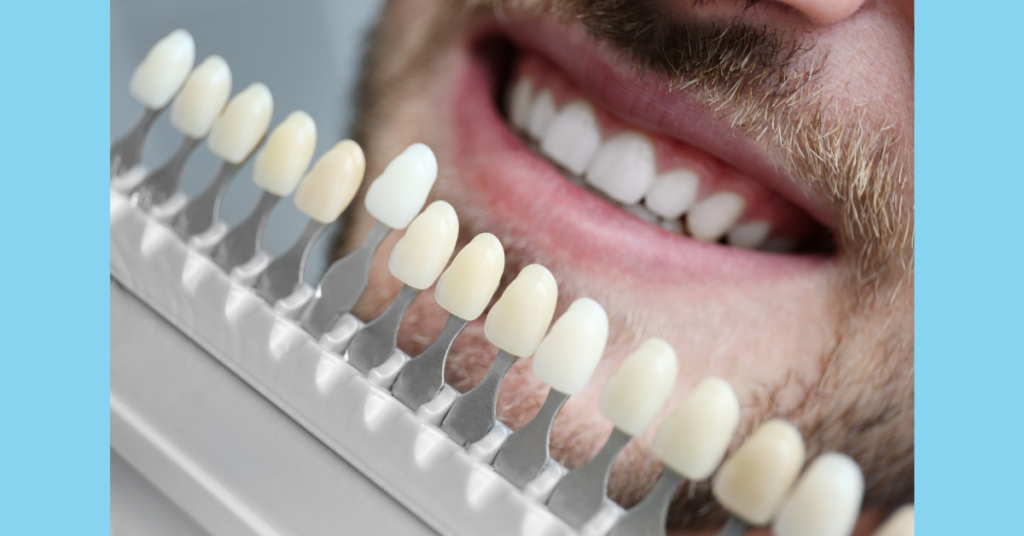
Many patients considering a smile makeover often wonder whether shaving teeth for veneers is necessary and if it could damage their natural teeth. The truth is that this step is a standard part of the teeth shaving for veneers procedure, designed to help veneers fit naturally and look seamless. During this process, a very thin layer of enamel is removed from the front surface of the teeth to make space for the veneers. This step is part of proper dental veneers preparation, ensuring the final result looks natural rather than bulky while maintaining the strength of your teeth.
Do Veneers Require Shaving Teeth?
A common question patients ask is do veneers require shaving teeth, and in most cases, the answer is yes. Traditional veneers require slight enamel removal so they can bond properly and align naturally with surrounding teeth. However, there are newer options like no-prep or minimal-prep veneers that may reduce or eliminate this step, depending on your dental condition. Your dentist will evaluate your teeth, smile goals, and overall oral health to recommend the most suitable option without compromising long-term results.
How Much Tooth Is Removed for Veneers?
One of the biggest concerns is how much enamel is actually removed during the teeth shaving for veneers procedure. The amount is minimal, usually less than a millimeter, and is carefully controlled using advanced dental tools. The goal is to create enough space for the veneer while preserving as much of the natural tooth as possible. This precise approach ensures that your teeth remain strong while allowing the veneers to sit comfortably and look completely natural.
Is Shaving Teeth for Veneers Safe?
Patients often worry about whether shaving teeth for veneers is safe, but when performed by an experienced dentist, it is a safe and routine cosmetic procedure. Modern dental techniques focus on precision, comfort, and preserving tooth structure. The process is typically painless, as local anesthesia is used, and recovery is quick. Veneers also act as a protective layer over the teeth, helping improve both appearance and function when maintained properly.
Benefits & Alternatives to Veneers
Veneers are widely chosen because they can instantly enhance your smile by correcting discoloration, chips, gaps, and minor alignment issues. They offer long-lasting, natural-looking results and can significantly boost confidence. However, if you are concerned about enamel removal, alternatives such as no-prep veneers, dental bonding, or professional teeth whitening may be considered. Each option has its own advantages, and the right choice depends on your individual dental needs.
Procedure, Aftercare & Longevity
The dental veneers preparation process typically includes consultation, slight enamel removal if required, impressions for custom veneers, and final bonding. After placement, maintaining veneers is simple with good oral hygiene, avoiding hard foods, and regular dental checkups. With proper care, veneers can last 10–15 years or longer, making them a reliable long-term solution for improving your smile.
Thinking about veneers but unsure about the process? Get expert guidance and explore safe, personalized treatment options by booking your consultation today.
To set up your appointment give us a call at (844) 979-EASY (3279). We have offices in Forest Hills, Queens, Little Caribbean, Brooklyn and Garden City, Long Island. Walk-ins welcomed, we take emergencies and we are open on late nights to accommodate patients with a busy schedule. We hope to see you soon!
FAQs
Do veneers ruin your natural teeth?
No, veneers do not damage teeth when done correctly, as only a minimal layer of enamel is removed.
Is shaving teeth for veneers painful?
The procedure is comfortable and done under local anesthesia, so patients usually feel no pain.
Can veneers be done without shaving teeth?
Yes, no-prep veneers are an option in some cases, but they are not suitable for every patient.
How long do veneers last?
Veneers typically last between 10 to 15 years with proper care and maintenance.
Are veneers safe for long-term use?
Yes, veneers are a safe and effective cosmetic dental solution when placed by an experienced dentist.